

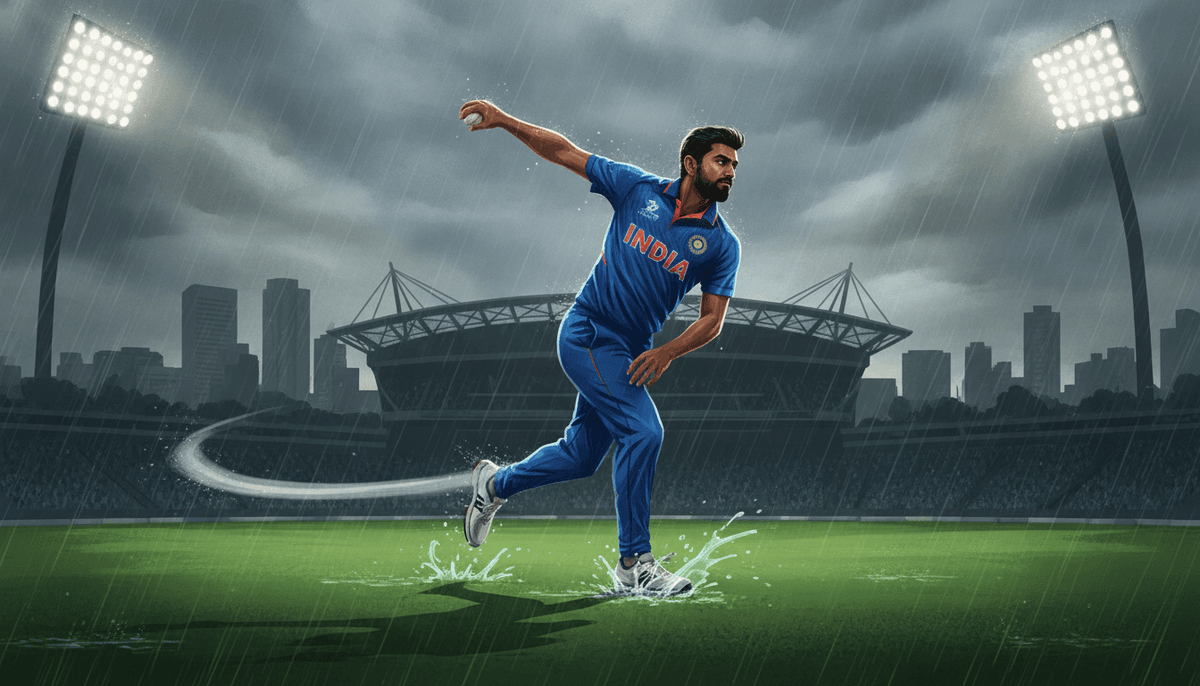
India's gamble under Wellington's grey skies: Bowling first on a green, rain-affected pitch. Will the Men in Blue conquer the conditions or will the DLS come into play?
Arre bhai, kya drama hai Wellington mein! Just when you think you've seen it all, the cricket gods decide to throw a curveball, or rather, a downpour! India has won the toss against New Zealand and, no surprise, Captain opted to bowl first. But here's the twist: the match has been reduced to a tight 47-overs-a-side affair due to persistent rain. Both teams are unchanged, which tells you they’re sticking to their guns, but what does this early call mean for the series?
It's like those gully cricket days, you know? Rain stops play, everyone huddles, then someone shouts, 'Chalo, ab 10-10 over ka match hoga!' The pressure, the shortened boundaries (metaphorically speaking), the mad rush for runs – that's the energy we're looking at today. New Zealand, desperate to level the series, must be fuming, but this is the challenge of international cricket, yaar. You play what's in front of you, weather included.
The Pitch Report: Wellington's Seaming Secrets Under Grey Skies
Wellington, my friends, is notoriously known for its tricky conditions. Even on a sunny day, there's often enough breeze and moisture to get the ball moving. Now, add persistent rain and an overcast sky to the mix? You've got a paradise for fast bowlers and a nightmare for opening batsmen who prefer a flat deck. With the toss won, India's decision to bowl first is a classic move straight out of the 90s ODI playbook, only amplified by modern data.
- Early Swing and Seam: The fresh pitch, likely with a decent grass cover, will offer prodigious swing and seam movement. Any residual moisture from the rain will make the ball skid and nip around, creating immediate headaches for the top order.
- Reduced Overs, Increased Risk: A 47-over game means batsmen have less time to settle in. They can't afford to play out too many maidens, yet they can't throw their wickets away either. It's a tightrope walk. New Zealand will need a solid foundation, but India's quicks will be licking their lips, aiming for early breakthroughs.
- The DLS Factor: This is the elephant in the room, isn't it? In rain-affected matches, the Duckworth-Lewis-Stern method often favours the chasing side, especially if rain interrupts play again. Batting second allows a team to assess the revised targets and plan their innings strategically. This gives India a psychological edge, knowing they'll have a clear picture of what's required if conditions worsen.
This isn't just about bowling first; it's about exploiting the conditions to the maximum. Imagine Kapil Dev or Wasim Akram bowling on a pitch like this! Pure theatre, I tell you. India's seam attack will be crucial here, and if they can pick up wickets in the powerplay, New Zealand will be under immense pressure.
The Wagon Wheel: India's Calculated Gamble & NZ's Series Redemption Bid
India electing to bowl first in Wellington, especially with the series on the line for New Zealand, isn't just a toss decision; it's a strategic declaration. It signals confidence in their bowling attack and their ability to chase under DLS. This isn't the 90s where teams often backed their batting strength first; this is modern ODI cricket, sharp and data-driven.
Will the DLS method favour the chasing side in Wellington?
Absolutely, bhaijaan! In almost all scenarios where rain plays spoilsport and reduces overs, the DLS calculations tend to give a slight advantage to the team batting second. Why? Because they know exactly what they need to achieve per over, even if targets are revised multiple times. It removes some of the ambiguity and allows for more precise acceleration. For New Zealand, batting first now means they have to set a total that is not only competitive but also robust enough to withstand DLS adjustments, which is a massive ask under these conditions. They can't just aim for 280; they need to think about what 280 might become if rain stops play again.
Both teams being unchanged tells us a lot. India is happy with their winning combination, seeing no need to tinker. It speaks volumes about the team management's faith in the current eleven to adapt to changing conditions. For New Zealand, it's a statement of belief in their core group despite being down in the series. They're saying, 'This is our best XI, and we back them to perform.' It’s a brave call, especially when desperate times sometimes call for desperate measures, like bringing in an extra spinner or a batting all-rounder. But no, they're sticking to their guns.
Remember those epic Indo-NZ clashes from the 90s? Always close, always a fight. This series is shaping up to be just as feisty. India has taken a calculated risk here, banking on their bowlers to restrict New Zealand and then chase under the shadow of DLS. For New Zealand, this is a test of character. Can their batsmen withstand the early onslaught and post a total that gives their bowlers something to defend, even with DLS lurking? The answer to that question will decide if this series goes down to the wire or if India wraps it up here. This match is paisa vasool, guaranteed!