

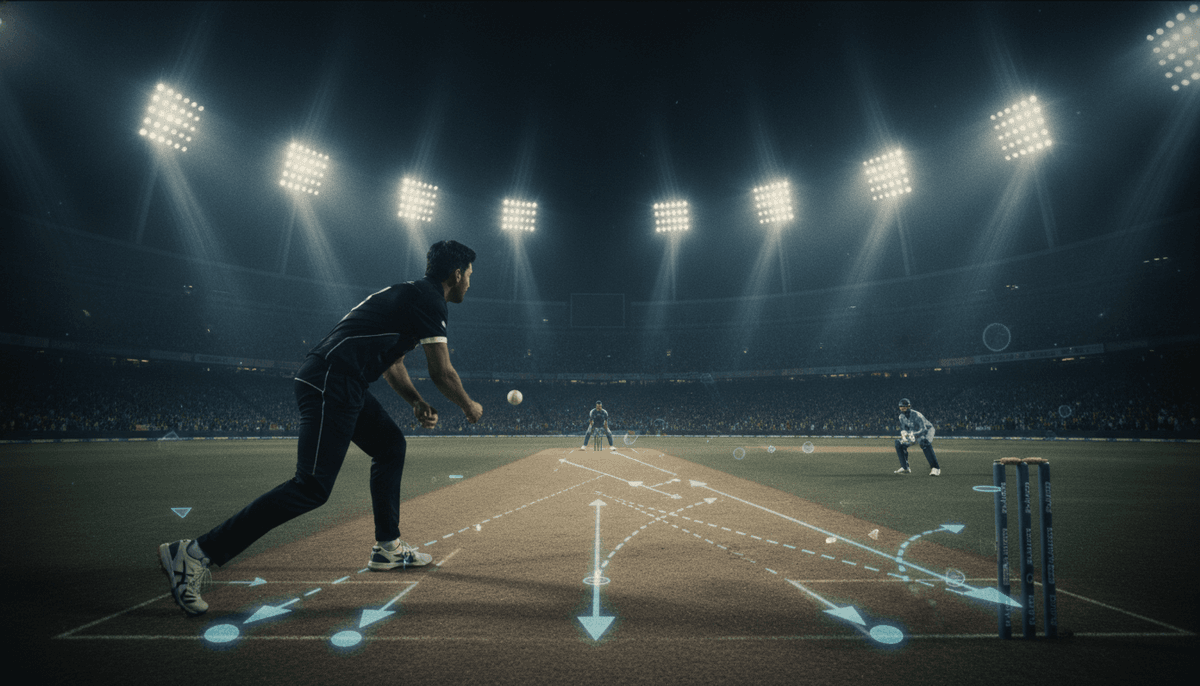
The blueprint of pace: How injuries force a tactical recalibration for the Blackcaps ahead of the India ODIs.
Arre bhai, in the high-stakes world of international cricket, sometimes the biggest battles are fought off the pitch. The Blackcaps, fresh off their World Cup campaign, are already facing a strategic conundrum ahead of their series against India. The intelligence data hitting my desk at CricPaglu confirms a key fast bowler, Lockie Ferguson, is sidelined for the upcoming T20 Internationals, while the ever-reliable Matt Henry and the lanky Kyle Jamieson are battling their own niggles, making their availability for the One Day Internationals, commencing November 4, a race against time.
This isn't just about missing a player or two; it's about reshaping the very blueprint of their bowling attack. For a side that thrives on pace and precision, these injury clouds cast a long shadow over their tactical plans against a formidable Indian outfit.
Ferguson's T20 Void: A Tactical Blow
Lockie Ferguson's absence from the T20I squad is a significant dent, no two ways about it. In the shortest format, his raw pace, deceptive slower balls, and pinpoint yorkers are pure gold. He's the kind of bowler who can turn a Powerplay on its head or deliver under extreme pressure in the Death Overs. His ability to hit speeds that unsettle batsmen and his skill in extracting extra bounce would have been crucial on Indian pitches, where pace off the ball often dictates success.
- Impact on Pace Battery: Without Ferguson, New Zealand loses a genuine wicket-taking option in the middle overs.
- Death Bowling Concerns: His variations and yorkers are hard to replace, potentially putting more pressure on other pacers to finish strong.
- Strategic Flexibility: His absence reduces the options for captaincy to rotate bowlers and exploit match-ups.
ODI Concerns: Henry and Jamieson's Niggles
The murmurs around Matt Henry and Kyle Jamieson are perhaps even more concerning, considering the One Day Internationals are just around the corner, kicking off on November 4. These two are linchpins of New Zealand's ODI setup:
- Matt Henry: An old-school swing bowler who can move the ball both ways, especially with the new ball. His accuracy and ability to pick up early wickets are invaluable in setting the tone for the innings. If he's not 100%, New Zealand loses that immediate new-ball threat.
- Kyle Jamieson: The tall, imposing fast bowler whose height brings an awkward bounce and late seam movement. He's a genuine enforcer, capable of bowling those tough overs and unsettling batsmen with his trajectory. His absence would mean less intimidation and a different dynamic in the middle overs.
Their potential unavailability means the Blackcaps will need to dig deep into their reserves. This isn't just about finding replacements; it's about ensuring those stepping in can maintain the same tactical discipline and execution under pressure.
The Pitch Report: Tactical Adaptations on the Cards
Now, while we don't have a specific pitch report for these upcoming matches (as the data doesn't specify), we can always talk generalities, can't we? ODI pitches, especially in this part of the world, tend to be good batting surfaces, occasionally offering something for the pacers early on if there's a bit of juice, or for spinners as the game progresses.
A fully fit Blackcaps pace attack, featuring Ferguson, Henry, and Jamieson, would typically approach things with calculated aggression:
- On a Green Top: Henry would be unleashed with the new ball, looking for that early swing and seam. Jamieson's height would exploit the bounce, and Ferguson's pace would rush the batsmen. Field placements would be tighter, looking for nicks and early dismissals.
- On a Flatter Deck: The focus would shift to hitting good lengths, extracting whatever little movement is available, and then relying on variations through the middle and death overs. Ferguson's express pace and yorkers would become even more critical here, preventing boundaries.
However, with these injury concerns, the tactical blueprint changes significantly. The Blackcaps will have to adapt. If Henry and Jamieson are indeed sidelined or not fully fit for the ODIs, expect:
- Increased Emphasis on Line and Length: Less raw pace or swing might mean a more disciplined approach, trying to build pressure with dot balls.
- Spinners to Play a Bigger Role: Captains might turn to their spin options earlier, especially if the new ball isn't providing the desired breakthroughs.
- New Faces, New Strategies: Opportunities for other bowlers to step up, potentially bringing different skill sets (e.g., left-arm variation, subtle cutters) that the captain will have to integrate into the overall strategy. The Powerplay field placements might become more defensive, trying to contain rather than attack aggressively.
As they say in gully cricket, sometimes you have to play with the bat you've got, not the bat you wish you had. The Blackcaps management will be doing some serious head-scratching to formulate a winning strategy with their current resources.
The Wagon Wheel: What This Means for NZ Cricket
Injuries are an unfortunate but integral part of professional sport, and their impact reverberates far beyond a single series. For New Zealand Cricket, the timing of these niggles, especially for crucial bowlers, is less than ideal. This isn't just about the India series; it's about the bigger picture.
Player Trajectories and World Cup Cycles
- Ferguson's Form: He's a T20 specialist, and consistent performances keep him in the global conversation. Missing a series against India means less opportunity to showcase his talent and maintain rhythm.
- Henry and Jamieson's Stamina: Their recurring niggles raise questions about workload management. Both are vital for New Zealand across formats. Ensuring their long-term fitness, especially with future ICC events on the horizon, is paramount. How they recover and perform in the ODIs, if they play, will be closely watched.
- Bench Strength: This situation tests New Zealand's depth. Strong performances from replacements could solidify their spots, but a drop in quality could expose a vulnerability in the squad.
The India-NZ Rivalry
Historically, matches between India and New Zealand, especially in ODIs, have been tightly contested affairs. Often, New Zealand's ability to challenge India's top-heavy batting lineup has hinged on the quality and aggression of their fast bowlers. Think about those crucial spells in past World Cups or bilateral series where the Blackcaps pacers have unsettled the Indian batsmen.
Without their full-strength pace battery, the dynamics shift. India's batting lineup, known for its aggression, might find it easier to dominate. This puts immense pressure on New Zealand's remaining bowlers and their fielding unit to perform at an exceptionally high level to compensate.
The Blackcaps will need some paisa vasool performances from whoever takes the field. This series promises to be a true test of character and strategic ingenuity for Gary Stead and his team. Let's see if they can turn these setbacks into a springboard for some unexpected heroes. The ODIs starting November 4 certainly just got a whole lot more intriguing!